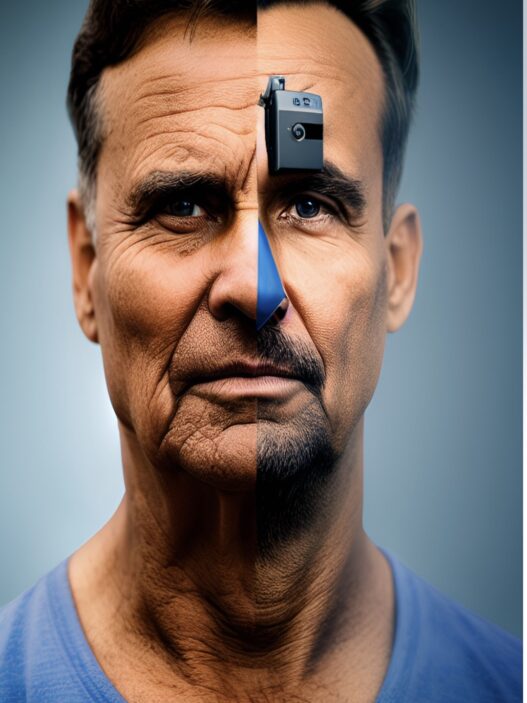





















In today’s world, technology is revolutionizing healthcare. From AI-driven diagnostics and robotic surgeries to electronic health records and telemedicine, the tools of modern medicine are powerful and increasingly indispensable. Yet alongside this remarkable progress, there is a growing concern: does the use of advanced technology in healthcare interfere with moral judgment and ethical responsibility? As systems grow more automated and data-driven, the practice of medicine faces a fundamental question—not just how to treat illness, but how to preserve humanity in the healing process.
At the core of this tension is the risk of depersonalization. Medical technology often creates a buffer between doctors and patients. For example, reliance on electronic health records can lead clinicians to spend more time looking at screens than interacting with the people they serve. AI diagnostic tools may produce more accurate outcomes, but they can also reduce the physician’s role to a technician, potentially undermining empathy and bedside manner—qualities central to the ethics of care.
Another challenge is moral distancing through delegation to machines. When algorithms determine which patients receive treatment, or when AI suggests triage decisions in crisis situations, who is morally responsible if the system makes a harmful or biased decision? This ambiguity can dilute the sense of individual accountability, and may lead healthcare providers to follow automated decisions without critical ethical reflection.
Additionally, data collection and privacy are major concerns. In a digital healthcare ecosystem, patients’ sensitive information is stored, shared, and analyzed—often by third-party tech firms. This raises urgent ethical questions about consent, ownership, and exploitation. When health data becomes a commodity, patient dignity and trust are at risk.
The use of predictive analytics also introduces moral hazards. If a system predicts someone is at high risk for disease or noncompliance, should that person receive different treatment? Will they be unfairly judged or denied care? These tools risk amplifying existing inequalities if they are not carefully designed and monitored.
From a philosophical perspective, Fyodor Dostoevsky’s insights remain strikingly relevant. In Crime and Punishment, he warns against the idea that abstract logic or technical superiority can justify immoral acts. In the healthcare context, this is a reminder that efficiency, accuracy, and innovation must never override compassion, dignity, and human judgment.
Yet, technology need not oppose morality. It can enhance access to care, improve outcomes, and reduce human error. The key lies in how it is used. Ethical healthcare demands that technology remain a servant to human values—not the other way around.
Conclusion:
The intersection of healthcare and technology poses profound moral challenges. If we fail to recognize and address them, we risk replacing the art of healing with mere mechanics. To protect the soul of medicine, we must ensure that every innovation is guided by empathy, responsibility, and respect for human life.