

















Anxiety is fear without a cause.”
A more precise way to put it might be: “Anxiety is fear whose cause cannot be consciously felt.”
This formulation establishes an axis connecting fear, anxiety, and consciousness. The working hypothesis here is that anxiety can be reduced to fear once its cause becomes conscious.
Why does this matter? Because what remains unconscious cannot be dealt with. The moment we bring something into awareness, we increase our ability to confront it emotionally. The emotion may still be unpleasant, but by feeling it consciously, we activate the mind’s natural capacity to process and survive it. After all, from birth onward, we have endured—and survived—painful emotions: hunger, discomfort, helplessness. If you are reading this, you have already proven that capacity.
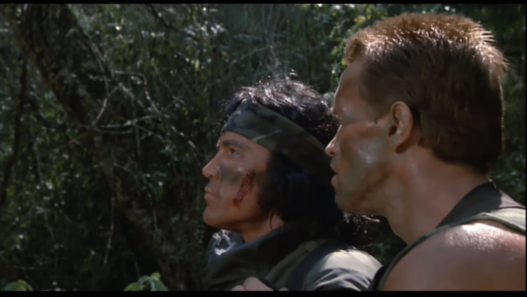
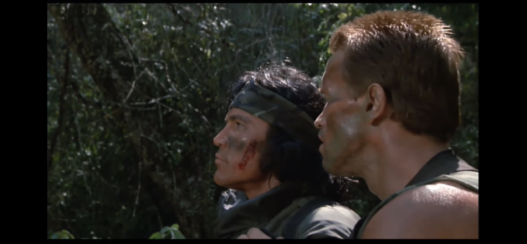
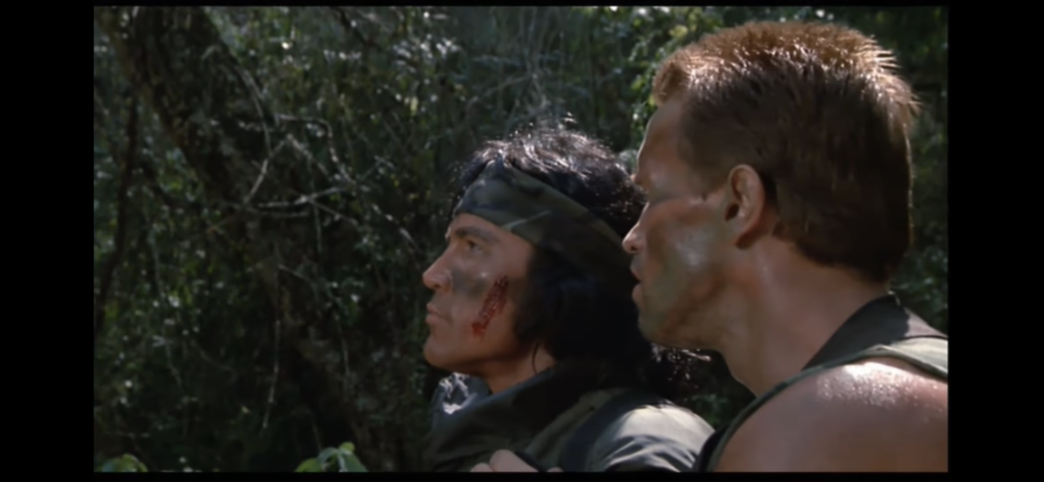
This dynamic reminds me of the film Predator. The alien entity in the story hunts and kills anyone who is armed, tracking them through its thermal sensors. Major Dutch Schaefer (played by Arnold Schwarzenegger) discovers, by chance, that when he is covered in mud, the creature cannot detect him. The mud shields his heat signature, making him invisible. Ultimately, the Predator must reveal itself for direct, hand-to-hand combat—and is then defeated.
Now imagine anxiety as that same invisible predator. It stalks us while we remain armed—defended by our psychological mechanisms. Yet, when we strip away those defenses—becoming raw, undefended, and “covered in the mud” of our own authenticity—the anxiety is forced to reveal itself. In that moment, it transforms from an invisible force into a tangible emotion: fear.
And fear, once seen and felt, can be met directly.
This “hand-to-hand combat” is nothing more than the meditative act of feeling.
To sum up: when we become unarmed—defenseless yet conscious—we stand a better chance of confronting anxiety, now stripped to its essence as fear. The battle is not fought through avoidance, but through awareness and feeling.
How to perfect this “hand-to-hand combat” is something I’ll explore next time.



Mind opening