

















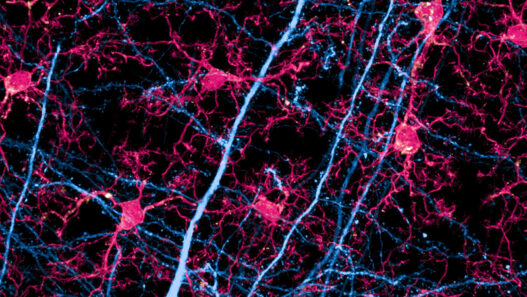


Anxiety is intricately linked to neurochemistry, involving the complex interplay of neurotransmitters in the brain. Some key neurotransmitters associated with anxiety include:
- Gamma-Aminobutyric Acid (GABA): GABA is an inhibitory neurotransmitter that helps regulate anxiety. Reduced GABA activity can lead to increased excitability in the brain, contributing to heightened anxiety levels.
- Serotonin: Often referred to as the “feel-good” neurotransmitter, serotonin plays a role in mood regulation. Imbalances in serotonin levels are associated with anxiety disorders, and medications that target serotonin receptors are commonly prescribed for anxiety.
- Norepinephrine: This neurotransmitter is involved in the “fight or flight” response. Elevated levels of norepinephrine can lead to increased arousal and anxiety symptoms.
- Glutamate: As an excitatory neurotransmitter, glutamate plays a role in information processing and synaptic plasticity. Dysregulation of glutamate has been implicated in various anxiety disorders.
- Corticotropin-Releasing Hormone (CRH): CRH, released by the hypothalamus, triggers the body’s stress response. Dysregulation of CRH is associated with increased anxiety and chronic stress.
Understanding the neurochemistry of anxiety is crucial for developing targeted treatments. Medications, such as benzodiazepines, selective serotonin reuptake inhibitors (SSRIs), and serotonin-norepinephrine reuptake inhibitors (SNRIs), aim to modulate these neurotransmitter systems to alleviate symptoms and restore balance.